
Counseling & Social Services
Digital solutions for counselling and social services
i2 designs secure case management platforms and digital solutions for Hong Kong counselling teams, social-service NGOs and community organisations. Each solution can connect enquiries, guided intake, case records, appointments and follow-up while keeping sensitive decisions under human control.

Counselling services, family-service organisations, youth teams, addiction-recovery programmes and other NGOs managing sensitive support journeys.
Evidence in practice
Sector context
The operational challenge
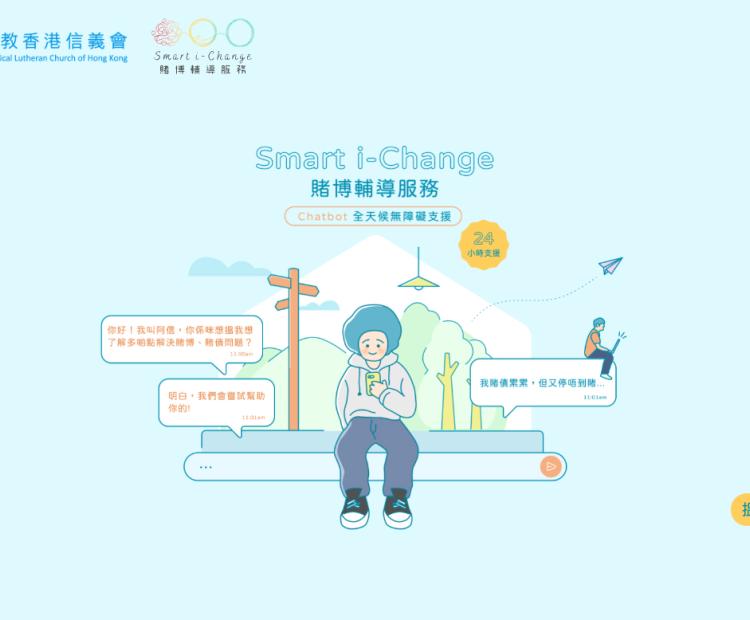
People may seek help outside office hours, through channels that are easier to approach than a service centre. At the same time, practitioners need consistent intake information, case notes, appointments and follow-up records. When these activities sit across forms, spreadsheets and separate messaging tools, staff spend more time joining information and it becomes harder to maintain clear access controls. A useful digital service must improve access without presenting automated guidance as a replacement for professional judgement or emergency support.
Key benefits
What the solution can improve
Guided intake and referral
Collect the right information in clear, accessible steps, route enquiries using organisation-defined rules and give staff a consistent record for follow-up.
Permission-controlled case workflows
Connect service-user records, appointments, consent, notes, tasks and reporting in a platform designed around staff roles and the organisation’s actual operating process.
Support between sessions
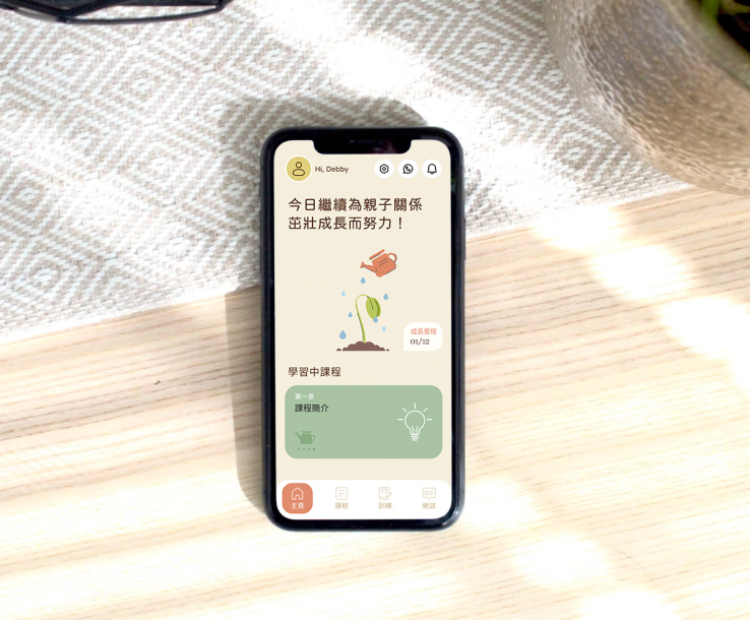
Deliver assigned learning resources, reminders and check-ins through appropriate channels, with engagement signals available to the responsible practitioner.
Configurable workflow patterns
Mission Agents
Each Agent describes a practical role within a wider service workflow. Scope, data access and human review are configured for the organisation.
Agent A — Guided Intake
Concept
An after-hours conversational entry point for initial information, service navigation and organisation-defined escalation.
Input
A person describes what support they are looking for through an approved website or messaging channel.
Processing
The Agent asks agreed intake questions, identifies configured risk phrases and applies the organisation’s routing rules. It does not diagnose or provide emergency care.
Output
A structured enquiry, suitable resources and, where required, an alert or priority follow-up task for the designated team.
Human oversight
Practitioners define the scripts, escalation thresholds and service information. Urgent situations are directed to human or emergency channels.
Agent B — Documentation Assistant
Concept
A consent-based drafting assistant that helps practitioners turn session material into a consistent case-note format.
Input
Approved audio, dictated notes or practitioner-entered points from a service interaction.
Processing
The system transcribes supported Cantonese and English material and organises it against the organisation’s chosen record structure.
Output
A draft note inside the case-management workflow, ready for correction, completion and sign-off.
Human oversight
The responsible practitioner reviews every draft. Recording, retention and access rules are configured around consent and organisational policy.
Agent C — Support Companion
Concept
A structured follow-up layer that keeps assigned resources and agreed actions accessible between appointments.
Input
A practitioner assigns a learning track, exercise, reminder or check-in schedule.
Processing
The Agent delivers the material and records simple engagement signals such as completion or a missed check-in.
Output
A concise progress view that helps the practitioner prepare for the next contact.
Human oversight
Staff choose the content and decide what any signal means. The Agent does not infer a clinical condition or make treatment decisions.
Delivery
How i2 delivers the solution
We begin by mapping the service journey with frontline staff: how an enquiry arrives, what information is appropriate to collect, when consent is required and where human escalation must occur. We then prototype the smallest useful workflow, test language and accessibility with intended users, and integrate it with the organisation’s website, CRM or learning platform. Permissions, retention, audit logging and staff review are planned before automation is expanded.
Responsible delivery
Responsible AI and data practices. Human oversight stays part of the service.
Sensitive service data should be collected only for a defined purpose and made available only to the people who need it. Hosting and model choices depend on the information involved, the organisation’s policies and its risk assessment. i2 can configure role-based access, data minimisation, audit logs, retention controls and human approval steps. Any claim about PDPO or funder requirements must be reviewed against the organisation’s actual process and legal advice.
Frequently asked questions
Clear answers before we build.
Practical answers about scope, data, accessibility and the role of people in the workflow.
What can an NGO case management platform manage?
It can connect enquiries, guided intake, consent, appointments, service-user records, practitioner tasks, case notes, assigned resources and reporting. The exact workflow is configured around the organisation’s counselling or social-service model and staff roles.
Can an AI assistant respond to people outside office hours?
It can provide approved service information, collect initial details and apply defined routing or escalation rules. It should clearly state its limits and direct urgent or high-risk situations to a human team or appropriate emergency channel.
Can the system support Cantonese and English?
Yes, multilingual interfaces, content and supported speech or text workflows can be planned. Language quality must be tested against the real vocabulary used by practitioners and service users before release.
How does i2 protect sensitive service-user information?
We map the purpose and sensitivity of each data item, then plan permissions, hosting, encryption, retention, logging and human review around the organisation’s requirements. Controls are tested before the workflow is expanded.
Does a Mission Agent replace a counsellor or social worker?
No. Mission Agents are configurable workflow tools for intake, drafting, reminders and information delivery. Professional assessment, safeguarding decisions and service accountability remain with qualified people.


 Contact Us Now


